oxygen delivery devices and flow rates australia
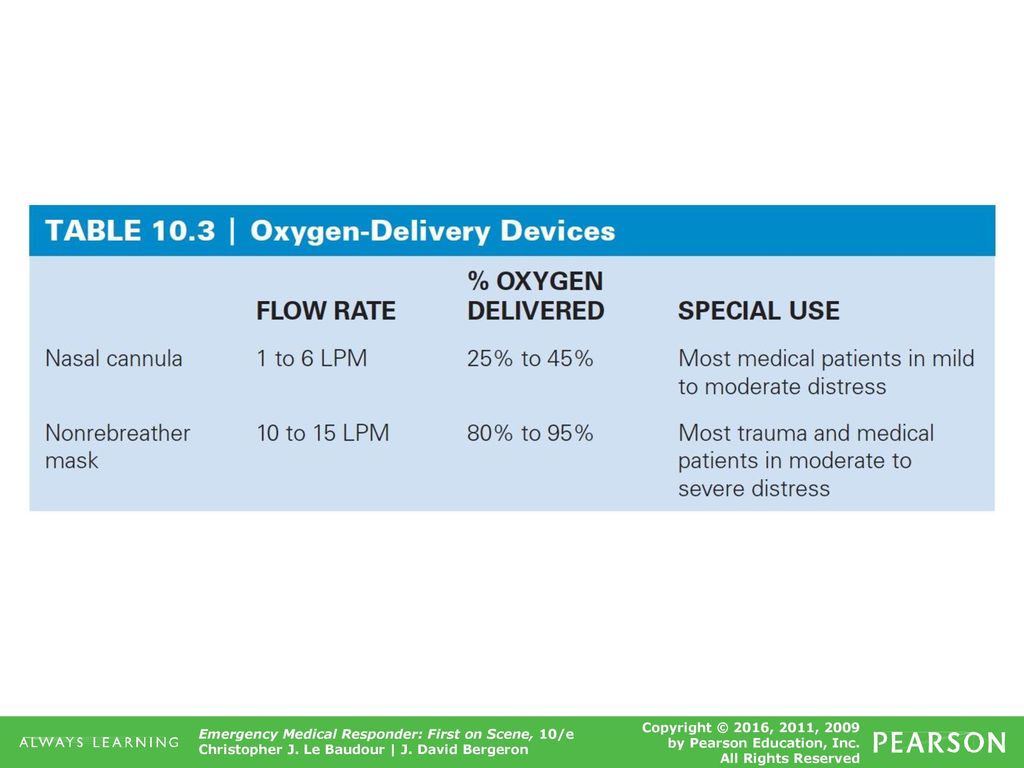
Low-flow oxygen delivery systems deliver oxygen at flow rates below the patients inspiratory flow rate entrain room air and provide a variable FiO2. It can be set to deliver between 10 and 15 Lmin 1 8095 oxygen.
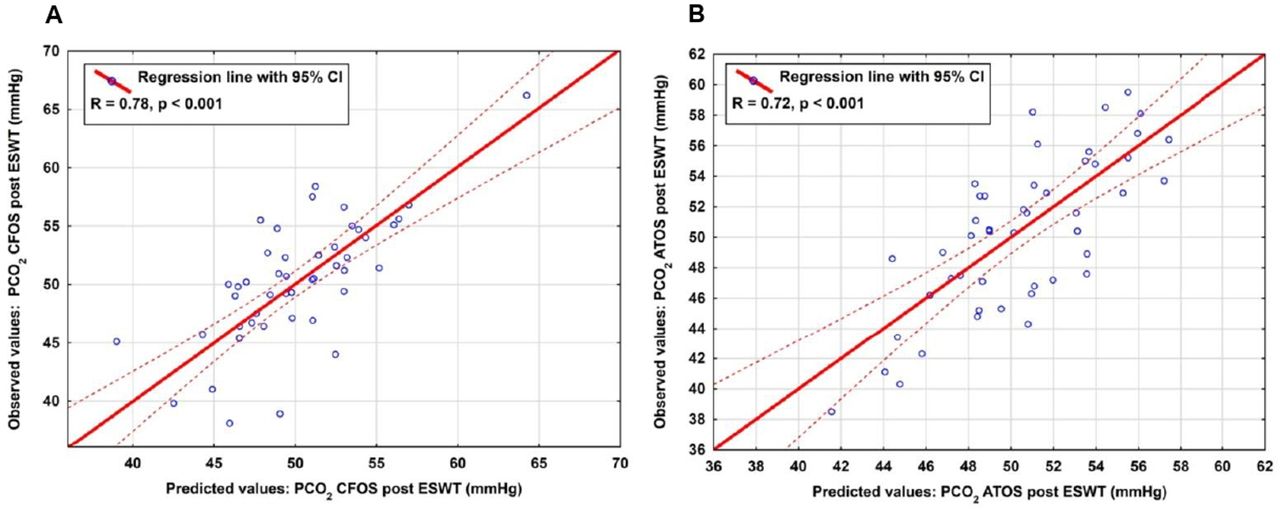
Automatic Oxygen Titration Versus Constant Oxygen Flow Rates During Walking In Copd A Randomised Controlled Double Blind Crossover Trial Thorax
FIO2 depends on the patients pattern of breathing.
. Pediatric oxygen delivery system Oxygen hood Covers only head allowing access to the lower body. The high flow rates were achieved by substituting the standard flowmeter calibrated to 15 Lmin with a. Of the commonly available devices promoted for O₂ delivery to injured divers similar PtcO₂ and nasopharyngeal F I O₂ values were obtained with the three devices tested.
Oxygen flow rate was controlled via a standard wall-mounted flow rate metre CIG Health Care Comweld Group Pty Ltd Australia with testing conducted at a flow rate of 15 Lmin for all devices and additionally for flow rates of 6 and 8 Lmin when using oxygen tubing. In place for patients whose oxygen administrationflow has been increased to maintain saturations. The higher flow rate reduces any further dilution.
MORS with an oronasal or intraoral mask demand valve with an intraoral mask and NRB at a flow rate of 15 Lmin¹. There are two important things to consider when delivering supplemental oxygen to your patient. The recommended initial oxygen flow rate for open-circuit systems employing a.
Oxygen flow. Can delivery precise and dependable FiO2. Ideal for short term use for neonates and infants.
Oxygen Delivery Systems LOW FLOW OXYGEN DEVICES HIGH FLOW OXYGEN DEVICES Cannot deliver constant FiO 2 Maintain constant FiO 2 Flow 6 - 8 Lmin Delivering O 2 at very high flow Mixture of oxygen room air Flow usually 4 times the actual Minute volume FiO 2 varies with tidal volume-Shallow breathing less entrainment of room air high FiO 2. Increasing the flow rate to 10 liters per minute increases the total flow to the patient but the oxygen concentration delivered remains at 35 percent. Because the peak inspiratory flow rate of a resting individual is typically below 30 Lmin 2 delivering oxygen at higher flow rates eg 45 Lmin precludes contamination of oxygen within the facemask with room air so that the effective FiO 2 is close to 10.
OxyMask is an all-in-one replacement for other mask types which could save time and reduce trips to the. Depending on a patients inspiratory effort tidal volume speed of inspiration and respiratory rate the PIFR can often exceed the flow rate at which oxygen or an oxygenair mixture is supplied by the device meaning that at the time of PIFR. The required oxygen flow rate can be very low often between 08 and 15 Lmin-1.
Nasal cannulae-delivering low flow rates of 24 Lmin or more are provided to patients almost automatically in a range of common clinical situations without the oxygen even necessarily being. 25 FiO 2 at 15 Lmin 90 FiO 2 at 15 Lmin FiO 2 can be adjusted to between 25 and 90 by changing the flow rate Conclusion OxyMask effectively delivered a wide range of FiO 2 values through simple adjustments to the flow rate. This delivers to the patient a flow rate of 45 liters per minute and an oxygen concentration of 35 percent.
O2 and air premixed passed through heated humidifiers. Delivers unpredictable oxygen concentrations between 22-35 that vary with flow rate and respiratory pattern and rate. The oxygen flow rate and the FiO2.
These devices deliver a variable inspired oxygen concentration to the patient which depends on the PIFR. The increased efficiency is achieved through increased complexity. The oxygen flow rate is the number that we dial up on the oxygen flow metre usually between 1-15Lmin.
6 rows Device. Low flow device Most common device used for mild hypoxia Can be set between 1 and 6 LPM 24 to 40 FiO2 FiO2 increases approximately 4 with each liter of O2 KorupoluR GJ Needham DMContemporary CriticalCare. ORespiratory rate and distress.
For most patients standard nasal cannulae are the preferred method of oxygen delivery with the flow rate varied to achieve the target oxygen saturation. When delivering oxygen by wafting the highest oxygen concentrations are achieved when positioning tubing 5-15 cm in front of the face or positioning tubing or a paediatric non-rebreather mask 5-10 cm below. The oxygen and air are blended before being delivered to the patient.
Nebulizers should be avoided. In patients with hypercapnic respiratory failure arterial pH 45 mmHg NIV or invasive ventilation should be considered. For example the recommended flow rate for a 35 of venturi valve is 8 liters per minute.
A one-way valve between the mask and the reservoir bag prevents the patient from inhaling expired air. High flow nasal cannula HFNC as the name suggests delivers oxygen at a high flow rate up to 60Lmin. This mixture is humidified which reduces bronchoconstriction and improves mucociliary clearance thereby reducing the work of breathing.
Only goes up to 60 FIo2 so not for patients who have significantly high oxygen demands bulky. OPulse oximetry or arterial blood gas measurements pulse oximetry may not be accurate in patients with some medical conditions eg. Adapters deliver set amounts of FiO2 at 24 to 60.
FiO2 is defined as the percentage or concentration of oxygen that a person inhales the fraction of inspired oxygen. Monitor oxygen therapy effect by. Avg flow 10-15 ltmin results in 80-90 oxygen conc.
Heart failure hypothermia diabetes mellitus. Simple Oxygen Face mask. 2435 FiO2 at a flow of 14.
Can be used in patients with stable Type II respiratory failure. However when breathing with the NRB an O 2 flow rate of 15 Lmin-1 is required to reach these levels. When tubing was used below the face flow rates between 6 and 8 Lmin produced somewhat higher concentrations than 15 Lmin 5 cm.
200969111 Bailey P Thomsen GE Spuhler VJ et alCrit Care MedJan2007351139145. Flow rates of 2-4 litresmin are normally used. 2 to 15 Lmin.
Values at various flow rates. Peak nasopharyngeal F I O 2 was highest with the NRB with a flow rate of 15 Lmin-1 Table 3 though 10-min P tc O 2 values were similar for each device.
2
2
2
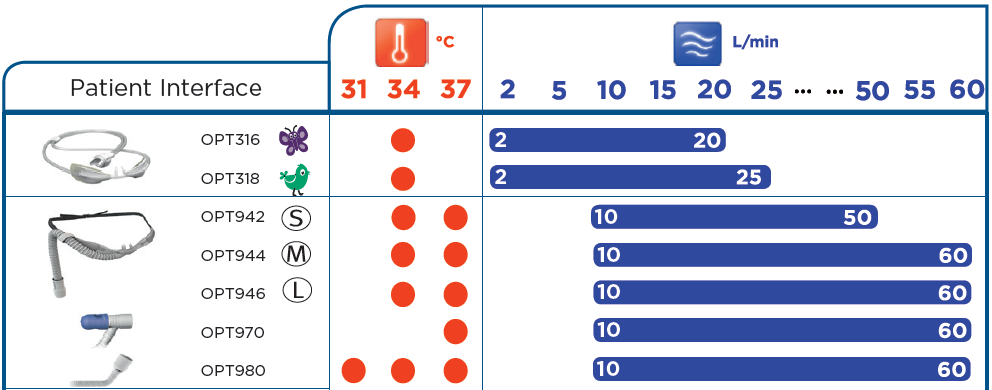
Clinical Guidelines Nursing Oxygen Delivery

Florali The Bottom Line
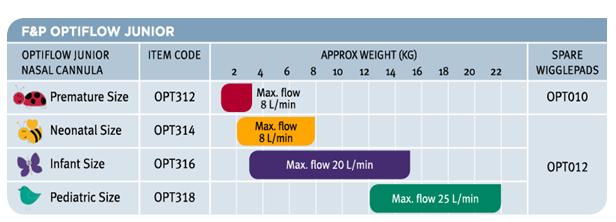
Clinical Guidelines Nursing Oxygen Delivery
Clinical Guidelines Nursing Oxygen Delivery
2

Oxygen Delivery System Side 1 Nursing School Notes Nursing Notes Respiratory Therapist Student

Equation For Oxygen Delivery Download Scientific Diagram
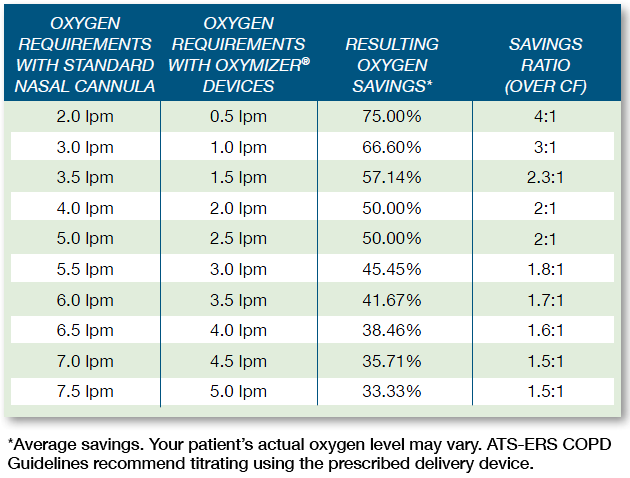
Chad Oxymizer Disposable Oxygen Conserver Oxygen Reservoir Drive Medical O 224 P 224 Vitality Medical
10 Principles Of Oxygen Therapy Ppt Download

Buy Hospital Bed In 2021 Hospital Hospital Bed Best Hospitals

Oxygen Delivery System Side 1 Nursing School Notes Nursing Notes Respiratory Therapist Student

Transtracheal Catheter Image Courtesy Www Airwayeduca Download Scientific Diagram

Oxygen Delivery By Device Nasal Cannula Indicated Respiratory Therapy Student Nursing School Survival Respiratory Therapist Student
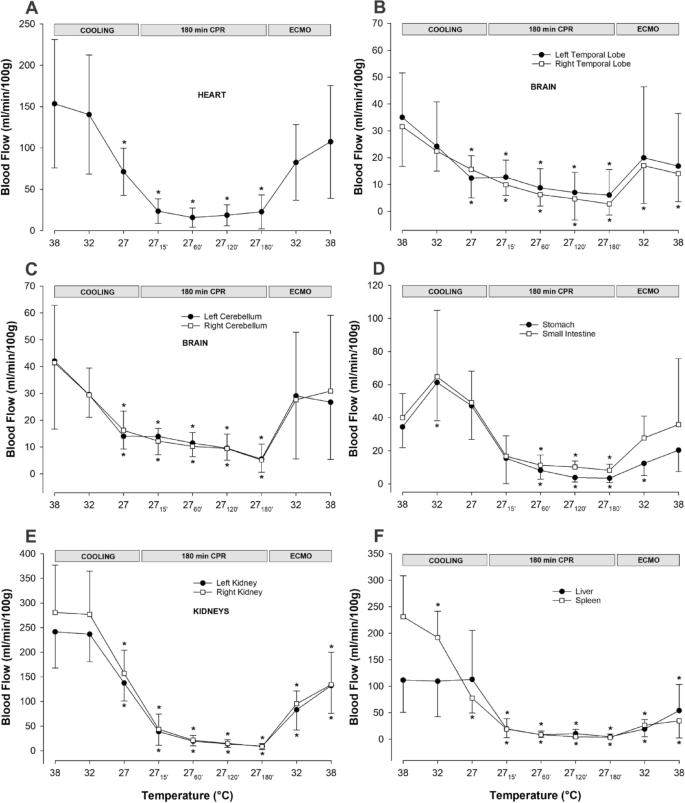
Effects Of Rewarming With Extracorporeal Membrane Oxygenation To Restore Oxygen Transport And Organ Blood Flow After Hypothermic Cardiac Arrest In A Porcine Model Scientific Reports

Types Of Oxygen Delivery Device F Do 2 Capabilities And Indications Download Table
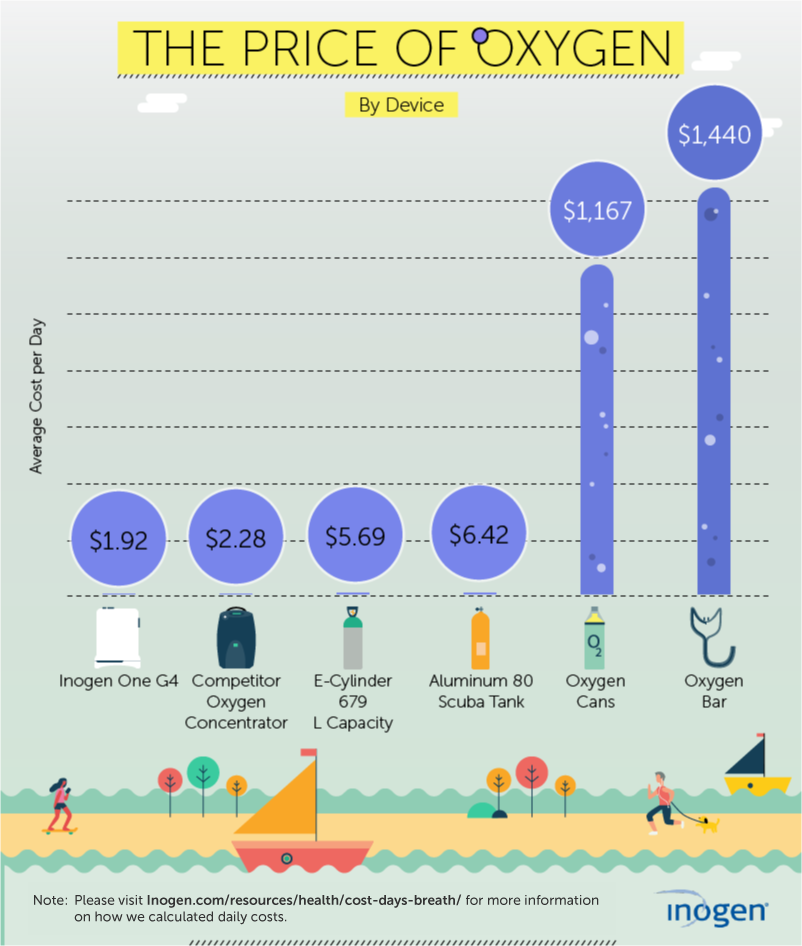
Cost Of Oxygen Portable Oxygen Concentrator Cost Inogen